Help! I want to make changes to a Listed Building!
It’s worth noting that England, Wales, Scotland and Northern Ireland have different legislation regarding heritage assets and that this Insight focuses on the situation in England.
Despite what some people might tell you, it’s possible to make changes to a Listed Building in a range of circumstances, including for maintenance, changing the use and modernisation.
Historic England are, by their own definition, “the public body that helps people care for, enjoy and celebrate England’s spectacular historic environment.” They are given the opportunity to comment on all planning applications which involve a historical asset in England.
Did you know?
Historic England maintains The National Heritage List for England. This list includes Listed Buildings but even Protected Wreck Sites. So if you are planning on adding an extension to your shipwreck, don’t forget to check if the one next door is protected!
Firstly, it’s vital that you understand the significance of your property.
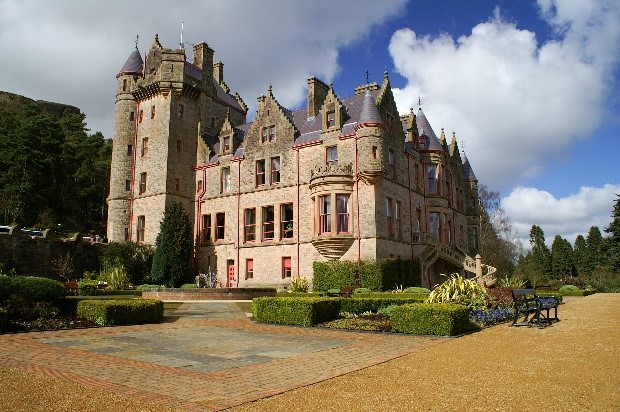
Listed Buildings are given a grade, by Historic England, based on their interest or merit from Grade II to Grade II* to Grade I. Grade I is for the buildings with highest value or interest, around 2.5% of listed buildings receive this highest grade. The grading of a building considers the architectural merit of the building, so maybe it was the first property in England to use a particular design, or for its historic merit, where the building has strong ties to a nationally significant event, individual or group.
An example of a property listed (Grade II) for architectural value, is a Plastic Classroom at Kennington Primary School, Preston which was the first fully structural plastic building in Britain and included a complex geometrical design to provide the structural stability needed.
In contrast, whilst Mendips, 251 Menlove Avenue is a class example of a typical 1930s semi detached house, it is Grade II for its historical value as the childhood home of John Lennon and where he wrote many songs for The Beatles with Paul McCartney, including their first British number one, ‘Please Please Me’.
Historic England provide an Official List Entry which details the grade of listing that your property has received, when it was first listed and the details of what makes it significant and worth protection
This entry is likely to provide you with details of what is valued most in terms of the architecture of your property, such as the circular windows to the first floor. This allows you to understand if there are any elements of your property for which changes are unlikely to be supported, in this example, it would be changing the round windows to square ones.
Then you will need to consider if there are any Planning Requirements for your proposed changes.
All but the most minor changes to a listed building will require Listed Building Consent where the Local Authority will ensure that undue harm is not caused to the property. For some projects, such as extensions or changes to external windows, Planning Permission will also be required, supported by an application for Listed Building Consent.
It’s also worth reviewing Local Planning Policy to understand any nuances to a project that the Local Authority may require such as that timber windows on Listed Buildings can only be replaced if it is proven that the existing is beyond repair.
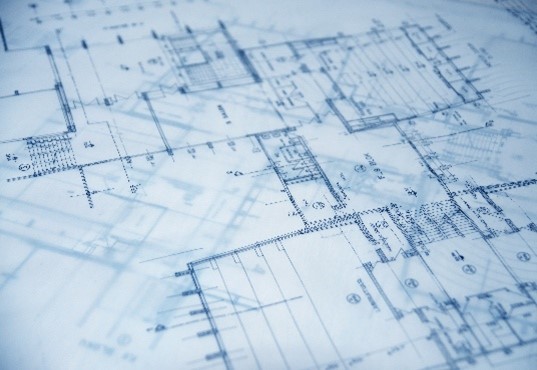
Usually applications will need to be accompanied by drawings showing the proposed changes and also a statement detailing the historic significance of the property and how, if at all, the proposed changes will impact upon this.
It is always recommended that you speak with a Planning Consultant in the early stages of a project so that they can provide advice on the above and more allowing a project to be designed which has the best potential for being approved by the Local Authority.
TriVantage have undertaken many projects involving heritage properties and has successfully received approvals for new uses, modern changes such as Air Conditioning Units to be installed, and even partial demolition of a listed building.
See https://historicengland.org.uk for more information or simply chat with us.