When IS a Change a Change?
Are you thinking about transforming a space into something entirely new, like turning a quaint old building into a bustling coffee shop or converting a garage into a cosy living space? If so, you’re about to embark on an exciting journey known as “change of use”, which may require planning permission.
This Insight focuses on when planning permission is needed. But take a look at our other Insight about when a change is NOT a change!
Change of use projects in England offer a significant opportunity to transform existing spaces. However, the process of changing the use of a property requires a solid understanding of planning regulations and guidelines wherever you are.
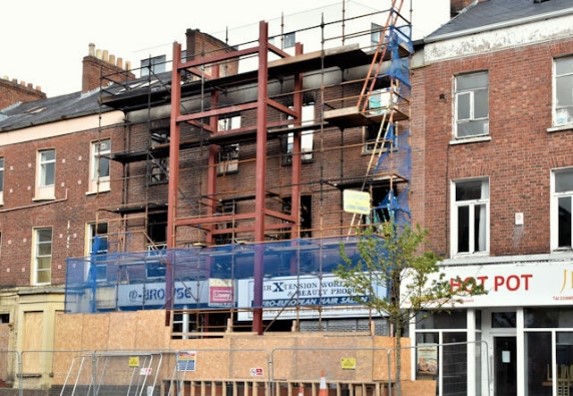
What are common examples of Change of Use projects?
Within the world of Planning, Change of Use is defined as making a change in the purpose or circumstances in which a building or land is used and can encompass a wide range of scenarios. Let’s explore some common examples:
- Commercial to Residential – converting commercial spaces, such as offices, warehouses, or shops, into residential dwellings to address the growing demand for housing.
- Residential/Commercial to House in Multiple Occupation (HMO) – using an existing commercial or residential building to house multiple, unrelated persons in shared accommodation to support an identified need.
- Agricultural to Commercial/Residential– transforming agricultural buildings or land into commercial spaces or residential units, fostering economic growth in rural areas.
- Office to Creative Space– repurposing office spaces into dynamic environments for creative industries, startups, or collaborative workspaces.
- Industrial to Leisure– converting disused industrial facilities into recreational or entertainment venues, revitalising communities and providing new leisure opportunities.
These changes are regulated by planning rules set nationally (like the Town and Country Planning Act and the General Permitted Development Order) to manage impacts on transport, infrastructure, and community, with some conversions (like small shops to homes) potentially allowed under Permitted Development Rights. It’s not just about physical alterations; the key is the change in the building’s use class as defined in English planning law.
When IS a Change a Change?
“The Use Classes Order” defines the broad uses which all properties and land fall into. Planning regulations outline specific use classes and associated changes which do and don’t require planning permission. It’s essential to determine the existing use classes of a property and to understand the implications of wanting to change from one class to another.
Planning permission is required where there are no permitted development rights which allow the change you are proposing such as a residential property to a retail store. Part 2 of this Insight will focus on when change is not change and you don’t require planning permission, but for now, let’s assume that you do need planning permission.
Change of use planning permission serves as a regulatory checkpoint, ensuring that any transformation in the use of a building or land is appropriate for its location and community. It’s not just a bureaucratic step; it’s about preserving the character of neighbourhoods, managing environmental impacts and ensuring that infrastructure like roads and services can support the new use.
Successfully navigating the planning process for a change of use involves understanding the steps involved and the necessary documentation required. Typically, the process includes the following steps:
- Initial Research – gathering information on national and local planning policies, restrictions and requirements applicable to the specific property and proposed change of use.
- Pre-Application Advice Request – asking the relevant Council, if possible, for formal advice regarding the likely success of a planning application. This usually involves submitting less information than a planning application but there are often fees to be paid.
- Planning Application Submission– preparing a comprehensive application that includes relevant forms, supporting documents and plans, ensuring compliance with local authority guidelines.
- Post-Approval Requirements– Planning applications come with conditions, some of which will require formal approval from the Council.
Next Steps
The change of use planning permission application process can take time, often longer than expected. It’s important to stay flexible and open to making changes based on the feedback received. However, following the correct steps might someday mean your coffee shop dream becomes a reality!
But remember this is only a guide, so if you don’t have experience applying for change of use, you need to consider sourcing experts to walk beside you. This is what TriVantage does!