Why does Digital Transformation matter to FM
Technological change is already affecting everything we do, and the world of Facilities Management is no different. The use of technology in FM is an essential component of organisational performance, that requires a proactive and innovative response to the challenges of the built environment.
Digital transformation in facilities management refers to the integration of digital technologies into all aspects of building operations and maintenance. It’s more than just replacing manual processes with software – it’s about using data and intelligent systems to optimise performance, reduce waste and enhance the consumer experience. Investing in the right solutions and ensuring they deliver value to the organisation demands a strategic approach focused on solving real-world challenges.
The role of FM is moving from the background, now being increasingly seen as key enablers of business success, with workplace experience, operational efficiency and sustainability high on the corporate agenda. Digital transformation plays a central role in this shift, providing the tools and insights needed to move FM from reactive maintenance to strategic impact, but only by viewing the required changes holistically.
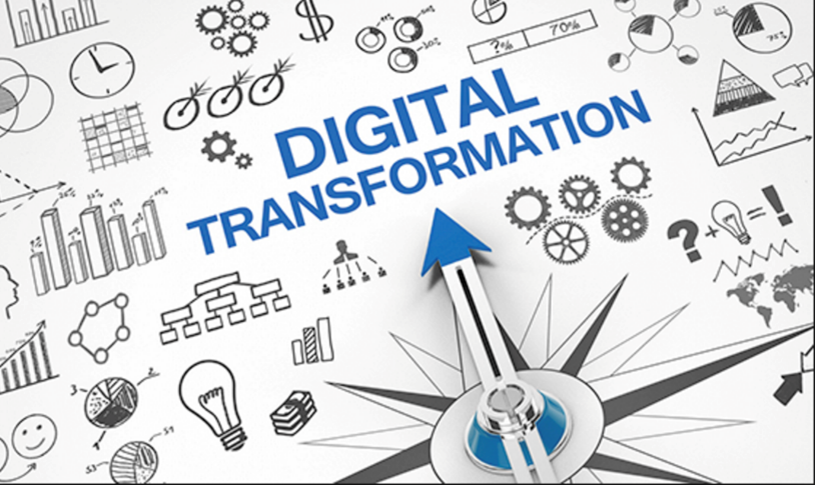
Digital Transformation matters to FM for many reasons, including:
- Automating routine tasks – Activities like work order logging, asset tracking, and compliance reporting traditionally take up a lot of time. Automating these tasks reduces paperwork, cuts down on administrative overhead, improves compliance, accuracy and consistency and ensures nothing gets missed. This frees up resource, enabling a focus on higher-value activities such as strategic planning, stakeholder engagement and sustainability initiatives.
- Generating cost savings – With predictive maintenance and energy monitoring, organisations can reduce repair costs, avoid equipment breakdowns, and optimise resource use. Real-time monitoring can also lead to lower utility bills and better budget planning.
- Providing real-time asset visibility – Technological solutions provide access to real-time data on everything from asset condition and energy use to occupancy rates and indoor air quality, transforming how decisions are made. Real-time insights empower FM managers to prevent problems before they occur, improving service delivery and extending the lifespan of critical assets.
- Supporting ESG and Net Zero goals – FM is under growing pressure to reduce energy consumption, improve resource efficiency and demonstrate compliance with evolving Net Zero and ESG regulations. Digital platforms provide the ability to capture detailed environmental performance data, to automate energy reports and to track progress against environmental goals.
- Enhancing workplace experience and resource efficiency – The quality of the physical workplace plays a vital role in employee satisfaction, productivity, and retention. Digital tools helps FM design and manage environments that are flexible, comfortable, and efficient.
- Contractor management – Digital tools provide the ability to capture key data and support collaboration. Systemised clear communication mitigates risk, optimises efficiency and builds strong partnerships with external service providers.

The flip side of this is that those businesses who don’t embrace the digital FM world will find themselves with:
- Higher costs
- Disgruntled customers
- Non-complaint buildings
- The inability to meet compliance reporting requirements
- Unhappy staff
The list goes on, but I think you get the idea of why Digital Transformation matters!