When is a Change NOT a Change?
Well, perhaps not surprisingly, it isn’t that simple. Even if it seems your change doesn’t need planning permission, your location may mean that it does.
If you have read the first part of our advice on changing the use of a building (here), you will know that some changes are obvious and require planning permission, but also that some don’t, although it isn’t always clear.
If you’re located within a Conservation Area, Area of Outstanding Natural Beauty or an area with an Article 4 Direction, then some changes of use may be restricted. Planning permission will be required, even if this wouldn’t be the case elsewhere. Your local council should have details online identifying whether your property is located in one of these areas – but it isn’t always easy to find.
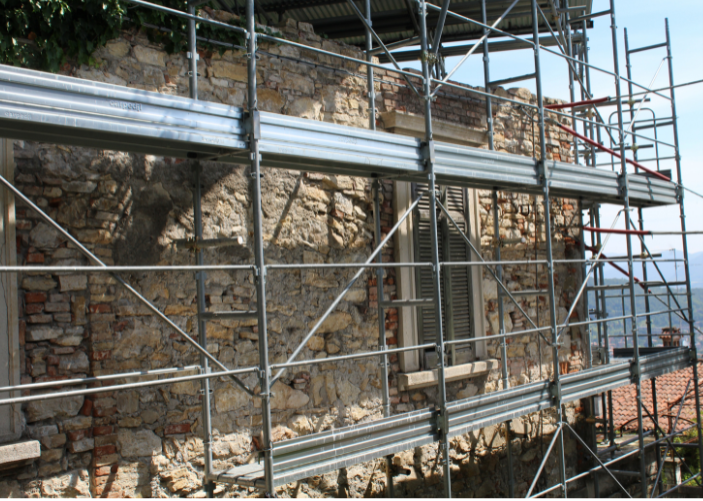
So what changes, in planning terms, aren’t (usually) changes at all
The key to knowing what changes you can make to the use of your property is knowing what its existing Use Class is. This is the system used to determine the use of all properties e.g. Use Class C is for residential properties, with C3 being a standard home. Use Class E is the broadest of the classes and includes shops, restaurants and offices, amongst others. The Legislation detailing the Use Classes can be found here.
Projects that (usually) don’t need planning permission include:
- Changes within the same Use Class i.e. within Use Class E so Shop to restaurant and vice versa
- Offices to residential
- Houses to small HMOs (three to six people)
- Casinos to residential or Use Class E
- Agricultural buildings to residential.
However, it’s important to note that all permitted development comes with conditions, just to add to the complexity!
My project doesn’t need planning permission; can I just crack on??
Unfortunately, it really isn’t that simple!
It may be that the change needs prior approval. This is an application similar to planning permission, requiring a full set of detailed drawings, but without the supporting documentation of a planning application. Local authorities typically assign it a similar target determination period as for a planning application. There’s no getting around it – it’s a requirement for changes such as office to residential proposals.
Also, if you’re planning external changes, such as a new shop front or access, then planning permission is likely required for these works. You can combine them with a change of use application if required or for peace of mind. But don’t forget that you may need Advertisement Consent too!
Another way of obtaining peace of mind is to apply for a Certificate of Lawful Use. This is where the Local Authority confirms that your project doesn’t require planning permission.
Whilst this isn’t a requirement, people often find it helpful to have it in place when speaking to funders, or subletting or selling the property in the future. It can be applied for at a later date but it can cost more. You also could be waiting on the Local Authority decision at a point when time is of the essence.

Next Steps
Any application, be it a Planning Application, Prior Approval or a Certificate of Lawful Use can take time, often longer than expected. It’s important to stay flexible and open to making changes based on the feedback received. However, following the correct steps might someday mean your coffee shop dream becomes a reality!
But remember this is only a guide, so if you don’t have experience applying for change of use, you need to consider sourcing experts to walk beside you. This is what TriVantage does!